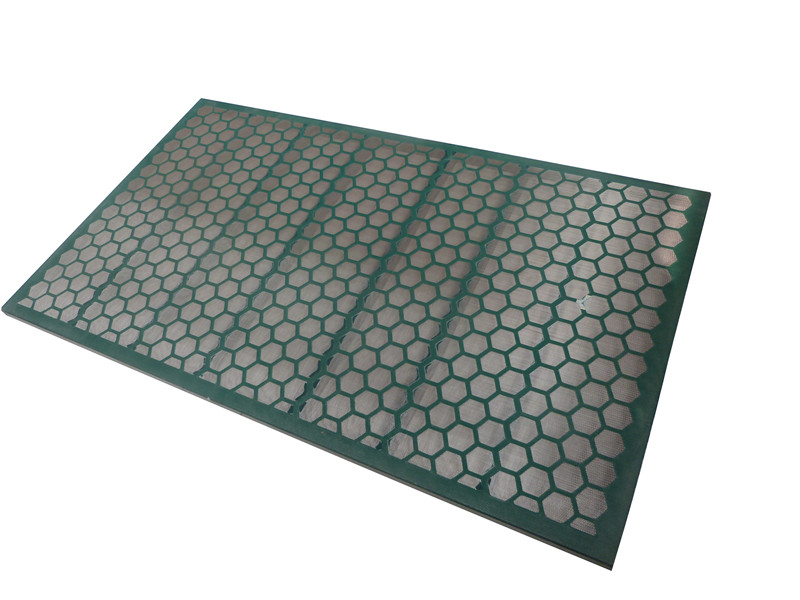
**Innovative Shale Shaker Screen Enhances Drilling Efficiency**In the ever-evolving oil and gas industry, equipment efficiency and durability remain paramount to successful drilling operations. A recent introduction of an advanced shale shaker screen has been making waves among industry professionals for its superior performance in solids control systems.The KTL-28 shale shaker screen is engineered to optimize the separation process during drilling. This screen stands out due to its robust construction and precision design, allowing drilling companies to improve their fluid recovery rates while minimizing downtime caused by screen replacements or maintenance.Shale shaker screens play a critical role in the solids control process. Their primary function is to separate drill cuttings from drilling fluids, allowing the fluids to be recycled and reused in the drilling operation. As drilling fluid serves to cool the bit, stabilize the well bore, and transport cuttings to the surface, maintaining its cleanliness and efficacy is crucial. The KTL-28 shale shaker screen is designed to meet these demands with enhanced durability and screening efficiency, contributing to safer and more cost-effective drilling projects.This innovation comes from a company with decades of experience in manufacturing filtration and separation technologies. The company prides itself on combining advanced engineering with high-quality materials to produce screens that withstand harsh drilling environments. Their commitment to research and development ensures that each product adapts to the evolving needs of the industry.The KTL-28 model features a modular design that facilitates quick installation and replacement, helping drilling crews reduce rig downtime significantly. Its compatibility with various shaker models adds flexibility, making it a versatile solution for different drilling setups. Moreover, the screen’s unique mesh construction improves stratification of cuttings, leading to finer separation and less fluid loss.Field tests reported by several drilling operators have shown that adopting the KTL-28 shale shaker screen results in improved operational efficiency. Operators noted reductions in fluid consumption and solids discharge while simultaneously extending the life of shaker components. This contributes directly to cost savings and promotes environmentally responsible drilling by reducing waste.Additionally, the screen employs corrosion-resistant materials that enhance longevity even when exposed to aggressive drilling fluids and abrasive solids. This durability translates to fewer replacements and less frequent maintenance, streamlining logistics and inventory management on site.Industry professionals highlight that the introduction of such high-performance shale shaker screens is essential as drilling operations move towards deeper, more challenging formations. Effective solids control reduces risks such as stuck pipe incidents and equipment wear, which can lead to costly downtime and safety hazards.The company behind this technology continues to support clients with comprehensive after-sales service and technical consultation. Their global network ensures rapid parts availability and expert assistance, which is critical in maintaining continuous drilling operations in remote locations.In summary, the KTL-28 shale shaker screen represents a significant advancement in solids control technology. By combining durability, efficiency, and ease of use, it empowers drilling operators to optimize their processes, reduce operational costs, and support sustainable drilling practices. As the industry faces increasing demands for efficiency and environmental stewardship, innovations like this screen play a pivotal role in shaping the future of drilling technology.With this latest addition to their product lineup, the company reaffirms its position as a leading provider of high-quality solids control equipment. Expect continued innovation and customer-centric solutions as the company strives to meet the dynamic needs of the global oil and gas sector.
Read More